Dry Ridge vs Mortar Ridge: Which Roofing System Is Best?
When it comes to securing ridge tiles, homeowners and roofers generally have two options: a traditional mortar ridge system or a modern dry ridge system. Both methods are designed to keep ridge tiles firmly in place, but they work in very different ways and offer different long-term benefits.
For many years, mortar was the standard choice for UK roofs. However, dry ridge systems have become increasingly popular thanks to their durability, ventilation benefits, and lower maintenance requirements. If you’re planning a new roof, replacing damaged ridge tiles, or carrying out major roof repairs, understanding the differences can help you choose the right solution for your property.
What Is a Mortar Ridge System?
A mortar ridge system uses a mixture of sand and cement to secure ridge tiles along the apex of a roof. Once the mortar has cured, it creates a solid bond between the ridge tiles and the roof structure.
This method has been used across the UK for generations and remains a common sight on older properties. Many homeowners prefer the traditional appearance of a mortar ridge, particularly on period homes where preserving the original character of the roof is important.
When installed properly, a mortar ridge can provide a neat finish and many years of reliable performance. However, like any cement-based material exposed to the elements, it can weaken and deteriorate over time.
Why Do Mortar Ridge Systems Fail?

The biggest weakness of mortar is its rigidity. While a roof may look completely static, it is constantly moving slightly as temperatures change and weather conditions affect the building.
Over time, this movement can cause mortar to crack. Once cracks appear, water can begin to penetrate the damaged areas, accelerating the deterioration process. Frost can make matters worse, causing small cracks to expand and eventually leading to sections of mortar breaking away.
Common problems with ageing mortar ridges include:
- Cracked mortar joints
- Loose ridge tiles
- Water ingress
- Repeated repair requirements
- Increased risk of storm damage
Many roofing repair jobs involve rebedding or repointing ridge tiles where the original mortar has simply reached the end of its lifespan.
What Is a Dry Ridge System?
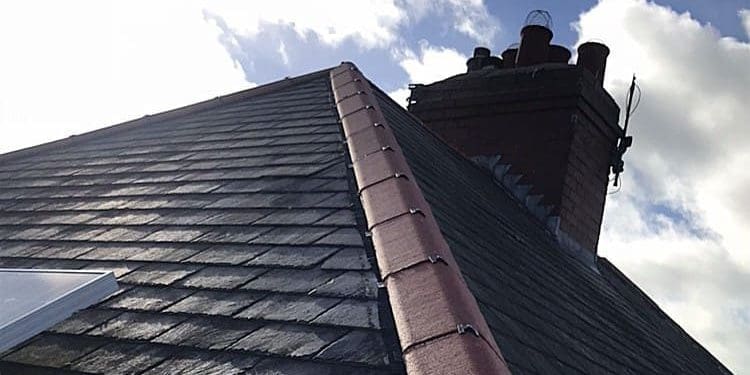
A dry ridge system secures ridge tiles using mechanical fixings instead of mortar. Components such as screws, clamps, and unions hold the ridge tiles firmly in place while allowing a degree of natural movement within the roof structure.
Unlike mortar systems, there is no cement bedding to crack or break away over time. The ridge tiles are mechanically fixed, creating a secure installation that is designed to cope with changing weather conditions.
Most dry ridge systems also incorporate ventilation beneath the ridge line. This helps air circulate through the roof space and can reduce the risk of condensation-related issues.
Because of these advantages, dry ridge systems are now widely used on both new-build properties and roof replacement projects.
Why Are Dry Ridge Systems So Popular?

One of the biggest reasons for the rise in dry ridge installations is durability. Since there is no mortar involved, homeowners do not have to worry about cracked bedding or frequent repointing work.
A dry ridge system is also designed to accommodate the natural movement that occurs within a roof. Instead of resisting that movement, the system works with it, helping maintain a secure fixing over the long term.
Another major advantage is improved ventilation. Moisture can build up in roof spaces, particularly during colder months. Many dry ridge systems allow air to escape through the ridge, helping to reduce condensation and support the overall health of the roof structure.
Roofers also appreciate the practical benefits. Installation is often quicker because there is no mortar to mix, apply, and wait to cure. This can make projects more efficient and reduce weather-related delays.
Key benefits of dry ridge systems include:
- Lower maintenance requirements
- Secure mechanical fixing
- Improved roof ventilation
- Reduced risk of cracked ridge bedding
- Faster installation times
- Long-term durability
These benefits have helped make dry ridge systems the preferred choice for many modern roofing projects.
Is Dry Ridge More Expensive?
In terms of upfront material costs, dry ridge systems are often more expensive than traditional mortar installations. This can make mortar appear to be the more economical option initially.
However, installation cost is only part of the story.
Mortar ridge systems may require repairs as they age, particularly on older roofs exposed to harsh weather conditions. Repointing, rebedding, and replacing failed mortar can add to maintenance costs over time.
A properly installed dry ridge system generally requires less ongoing maintenance. While the initial investment may be higher, many homeowners find that the reduced need for future repairs helps offset the additional expense.
When comparing costs, it is important to think about the whole lifespan of the roof rather than simply the installation price.
Dry Ridge vs Mortar Ridge: Which Should You Choose?
The right choice depends on your property, budget, and long-term priorities.
A mortar ridge system may be the better fit if you’re restoring a period property and want to maintain a traditional appearance. In some cases, preserving the original look of the roof is an important consideration.
A dry ridge system may be the better option if you’re looking for a modern, low-maintenance solution that provides additional ventilation and long-term durability.
As a general guide:
Mortar Ridge
- Traditional appearance
- Lower initial material costs
- Common on older properties
- May require more maintenance over time
Dry Ridge
- Modern fixing method
- Improved ventilation
- Reduced maintenance requirements
- Higher initial cost but potentially lower lifetime costs
For many modern homes, the advantages of a dry ridge system outweigh the higher upfront investment.
Conclusion
Both mortar ridge and dry ridge systems can provide a secure and effective way of fixing ridge tiles. Mortar remains a popular choice for traditional roofs and heritage properties, while dry ridges offer a modern alternative designed to reduce maintenance and improve long-term performance.
If you’re looking for a roofing solution that combines durability, secure fixing and improved ventilation, a dry ridge system is often the preferred choice. However, the best option will always depend on the style of the property, your budget, and your expectations for future maintenance.
If you have any interest in dry ridge systems, you can check out our products here.