
Common Roofing Mistakes DIYers Make (And How to Avoid Them)
Many homeowners take pride in tackling roofing repairs themselves. Whether it’s replacing a slipped tile, clearing moss, or fixing a minor leak, DIY roofing can save money and provide a sense of achievement.
However, roofing work leaves very little room for error. Small mistakes can lead to leaks, structural damage, poor ventilation, and expensive repairs further down the line.
If you’re planning to work on your roof, here are some of the most common roofing mistakes DIYers make and how to avoid them.
1. Walking Directly on Roof Tiles

One of the biggest roofing mistakes is assuming roof tiles are designed to support your full body weight.
In reality, many tiles can crack under pressure, especially if they are older, weathered, or already slightly damaged. A cracked tile may not be obvious immediately, but it can allow water into the roof structure over time.
Avoid it by:
- Using roof ladders where appropriate
- Following the manufacturer’s guidance
- Distributing weight carefully
- Replace any damaged tiles immediately
2. Ignoring Roofing Underlay

Many people focus entirely on the visible roof covering and forget about what’s underneath.
Roofing underlay acts as a secondary barrier against wind-driven rain and helps protect the roof structure. Damaged or missing underlay can allow moisture to reach timbers and insulation.
Avoid it by:
- Inspecting underlay during repairs
- Replacing torn sections
- Using the correct type for your roof
3. Using Expanding Foam as a Permanent Fix

The internet is full of examples of people attempting to solve roofing problems with expanding foam.
While it may appear to stop a leak temporarily, it rarely addresses the actual cause of the problem. In some cases, foam can even trap moisture and create additional issues.
Avoid it by:
- Identifying the root cause of leaks
- Repairing damaged components properly
- Using roofing products designed for the task
4. Getting Flashing Repairs Wrong

Flashing protects vulnerable areas where the roof meets walls, chimneys, and roof windows.
Poorly installed flashing is one of the most common causes of water ingress. Even a small gap can allow significant amounts of water to enter over time.
Avoid it by:
- Following correct installation methods
- Using suitable lead or flashing materials
- Checking all joints and overlaps carefully
5. Blocking Roof Ventilation
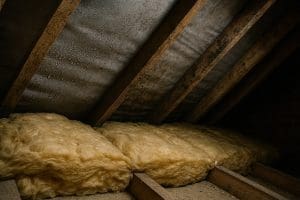
Many DIYers unknowingly block ventilation paths when adding insulation or carrying out repairs.
Without proper airflow, moisture becomes trapped within the roof space. This can lead to condensation, mould growth, and timber deterioration.
Avoid it by:
- Keeping ventilation routes clear
- Installing approved roof vents where required
- Checking loft spaces for signs of condensation
6. Mixing Roofing Materials

Many DIYers assume all roofing underlays are the same, but different membranes can have very different properties.
Mixing underlays during repairs may create inconsistencies in how moisture moves through the roof structure. Some membranes are breathable, some are not, and some are designed to meet specific requirements, including bat conservation regulations.
Using whatever material happens to be available can create problems later and may complicate future repairs.
Avoid it by:
- Using the same membrane across the entire project where possible
- Checking the manufacturer’s guidance before installation
- Choosing a membrane suitable for your roof design
- Making sure the membrane meets any local bat protection requirements
- Seeking advice if you’re unsure which product is required
7. Reusing Damaged Fixings
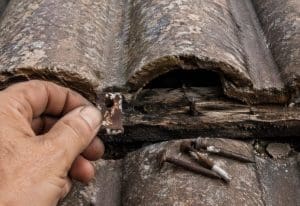
Some DIYers focus on replacing tiles while reusing old nails, clips, or fixings.
Fixings play a crucial role in keeping roofing materials secure during high winds and severe weather. Corroded or weakened fixings can fail long before the roofing material itself.
Avoid it by:
- Inspecting all fixings during repairs
- Replacing corroded components
- Using fixings suitable for the roofing system
8. Forgetting About Gutters

A roof doesn’t work in isolation.
Even if the roof covering is in excellent condition, blocked gutters can prevent rainwater from draining properly. Water may overflow behind the guttering and repeatedly soak fascias, soffits, walls and other parts of the property.
Left unresolved, this can contribute to damp problems, timber decay and costly repairs that could have been avoided with simple maintenance.
Avoid it by:
- Cleaning gutters regularly
- Checking downpipes for blockages
- Removing moss and debris promptly
- Inspecting guttering after storms and heavy rainfall
9. Attempting Repairs During Poor Weather
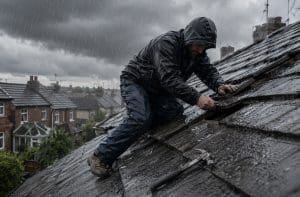
It can be tempting to climb onto a roof as soon as a problem is discovered.
However, wet surfaces, strong winds, and poor visibility dramatically increase the risk of accidents and can make repairs less effective.
Avoid it by:
- Waiting for suitable weather conditions
- Planning work in advance
- Using appropriate safety equipment
10. Delaying Small Repairs

Perhaps the most expensive mistake of all is doing nothing.
A single cracked tile or small flashing defect may seem insignificant today, but even minor roofing issues can become major repairs if left unattended.
Addressing problems early is almost always cheaper than dealing with the damage caused by a long-term leak.
Avoid it by:
- Carrying out regular visual inspections
- Investigating signs of damp promptly
- Replacing damaged components before problems worsen
Final Thoughts
Most roofing problems do not start as major failures. They begin with small defects that are often easy and affordable to fix when caught early.
By avoiding these common roofing mistakes, homeowners can help protect their property, extend the life of their roof, and reduce the likelihood of costly repairs in the future.
Whether you’re carrying out a small repair or planning a larger roofing project, using the right materials is essential for achieving a durable, professional-quality finish.
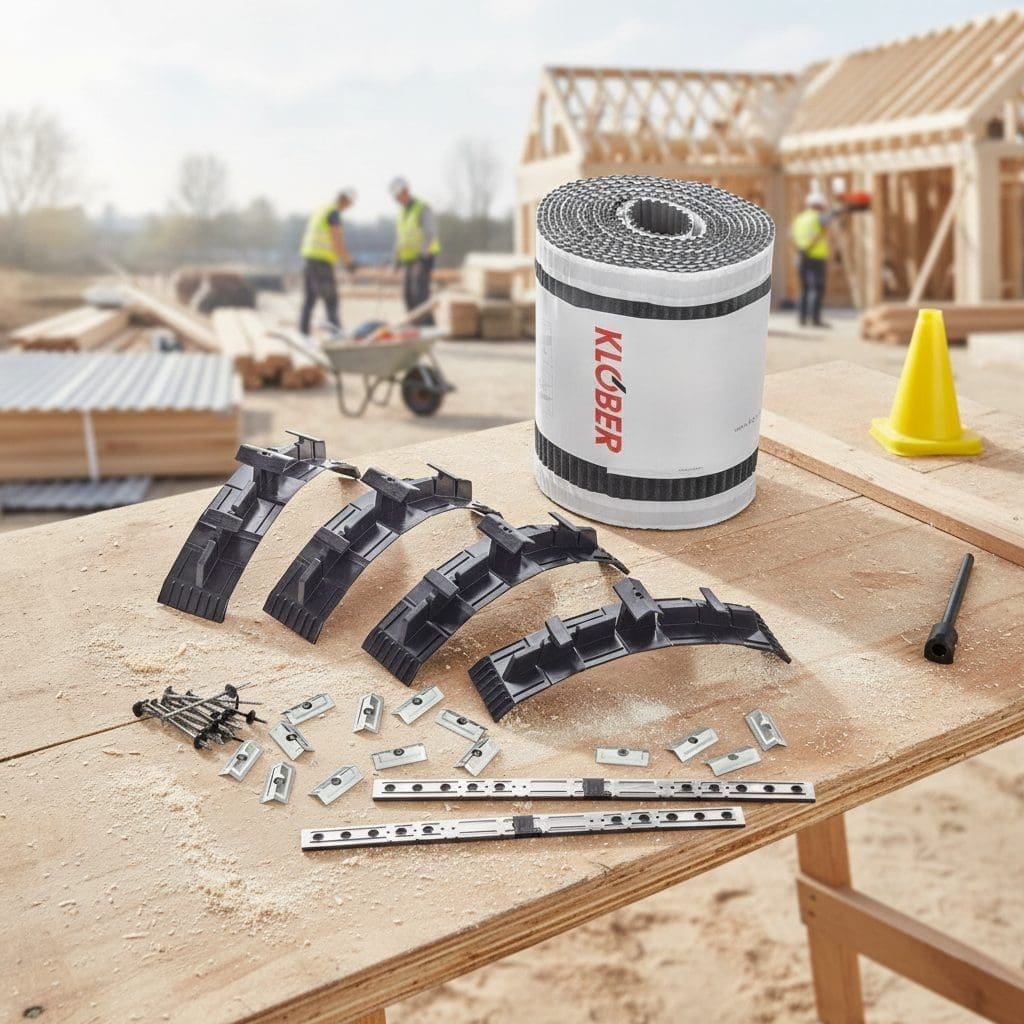
At Country Roofing Supplies, we stock a wide range of roofing materials, ventilation products, underlay, fixings, leadwork, tools, and accessories for both trade professionals and DIY customers. Our experienced team is always happy to help you find the right products for the job.


)