7 Signs Your Roof May Have a Ventilation Problem

Many homeowners think about their roof when a tile slips, a leak appears, or storm damage strikes. However, one of the most common roofing issues often develops out of sight. Poor roof ventilation can cause a range of problems within the roof space, leading to condensation, damp conditions and unnecessary strain on roofing materials.
A well-ventilated roof allows fresh air to circulate through the loft space, helping excess heat and moisture escape before they can cause damage. When airflow is restricted, moisture can become trapped, and temperatures can fluctuate dramatically throughout the year. Over time, this can affect everything from insulation performance to the condition of the roof structure itself.
If you are unsure whether your roof space is properly ventilated, there are several warning signs worth looking out for.
1. Excessive Heat in the Loft During Summer
Roof ventilation is often associated with managing moisture during winter, but it also plays an important role during warmer months.
Without adequate airflow, heat can build up within the roof space on sunny days. Loft temperatures can become extremely high, creating uncomfortable conditions and increasing the amount of heat transferred into the rooms below.
Whilst some increase in temperature is perfectly normal, excessive heat build-up may suggest that warm air is not able to escape effectively. A properly ventilated roof helps regulate temperatures throughout the year rather than simply addressing winter condensation.
2. Insulation That No Longer Performs Properly
Most homeowners understand the importance of loft insulation, but fewer realise how moisture can affect its performance.
Insulation works by trapping air and reducing heat transfer. When it becomes damp, its effectiveness can be reduced significantly. This means more heat escaping through the roof during colder months and potentially higher energy bills as a result.
If insulation appears wet, compressed, or unusually heavy, it may be worth investigating whether poor ventilation is contributing to the problem.
3. Condensation in the Loft
Condensation is often the first indication that a roof space is not receiving enough ventilation. Everyday activities such as cooking, showering, and drying clothes generate moisture within the home. As warm air rises, some of that moisture naturally finds its way into the loft.
When ventilation is sufficient, the moisture can escape harmlessly. If airflow is restricted, the warm, damp air comes into contact with colder surfaces and forms condensation. You may notice water droplets on roofing felt, rafters, nails or other materials within the loft space.
Whilst occasional condensation may not be unusual during certain weather conditions, persistent moisture build-up should not be ignored. Left unchecked, it can contribute to more serious problems throughout the roof structure.

4. Musty Odours Within the Roof Space
Sometimes the nose notices a ventilation problem before the eyes do.
If a loft space has a persistent musty smell, it can often be a sign that moisture is lingering where it should not. Even if there are no obvious signs of mould or dampness, stale odours can indicate that air circulation is poor.
Many homeowners dismiss these smells as simply being part of an older property. However, a healthy roof space should not constantly smell damp or stale. If unpleasant odours remain present for long periods, poor ventilation may be part of the issue.
5. Mould or Mildew Growth
Where moisture lingers, mould and mildew often follow. This can appear on roof timbers, loft surfaces, insulation or even ceilings within the living areas below.
Mould growth is not only unsightly but can also indicate that excess moisture has been present for some time. The longer these conditions continue, the more difficult they can become to resolve.
In many cases, homeowners focus on removing the visible mould without addressing the underlying cause. If poor ventilation is allowing moisture to remain trapped within the roof space, the mould is likely to return no matter how many times it is cleaned away.

6. Damp or Deteriorating Roof Timbers
Roof timbers are designed to remain dry and structurally sound for many years. However, prolonged exposure to moisture can gradually weaken them.
When ventilation is inadequate, damp conditions can persist within the loft for long periods. Over time, timbers may begin to show signs of staining, discolouration, or decay. In more severe cases, rot can develop and affect the structural integrity of the roof.
Identifying ventilation problems early can help prevent expensive repairs and extend the lifespan of the roof structure.
7. Frost on Roofing Materials During Winter
A lesser-known sign of poor roof ventilation can appear during cold weather.
When warm, moisture-laden air becomes trapped within the loft space, it can condense and freeze on cold surfaces. Homeowners occasionally discover frost on roofing felt, nails or roof timbers when inspecting their loft during winter.
Whilst this may seem unusual, it is often a sign that moisture is unable to escape effectively. As temperatures rise, the frost melts and reintroduces moisture into the roof space, creating the same damp conditions that ventilation is intended to prevent.
What Should You Do If You Notice These Signs?
Not every condensation issue or musty smell automatically means your roof ventilation is inadequate. However, if you notice several of the signs discussed above, it may be worth investigating further.
Professional roofers can assess the condition of a roof space and identify whether airflow is being restricted. In some cases, improvements can be made through the installation of suitable ventilation products or by addressing areas where airflow has been blocked.
The earlier ventilation issues are identified, the easier they are usually to resolve.
Common Roof Ventilation Solutions
Poor roof ventilation can often be improved through the installation of purpose-made ventilation products. The most suitable solution will depend on the roof’s design, the existing airflow provisions and the specific issues that have been identified within the roof space.
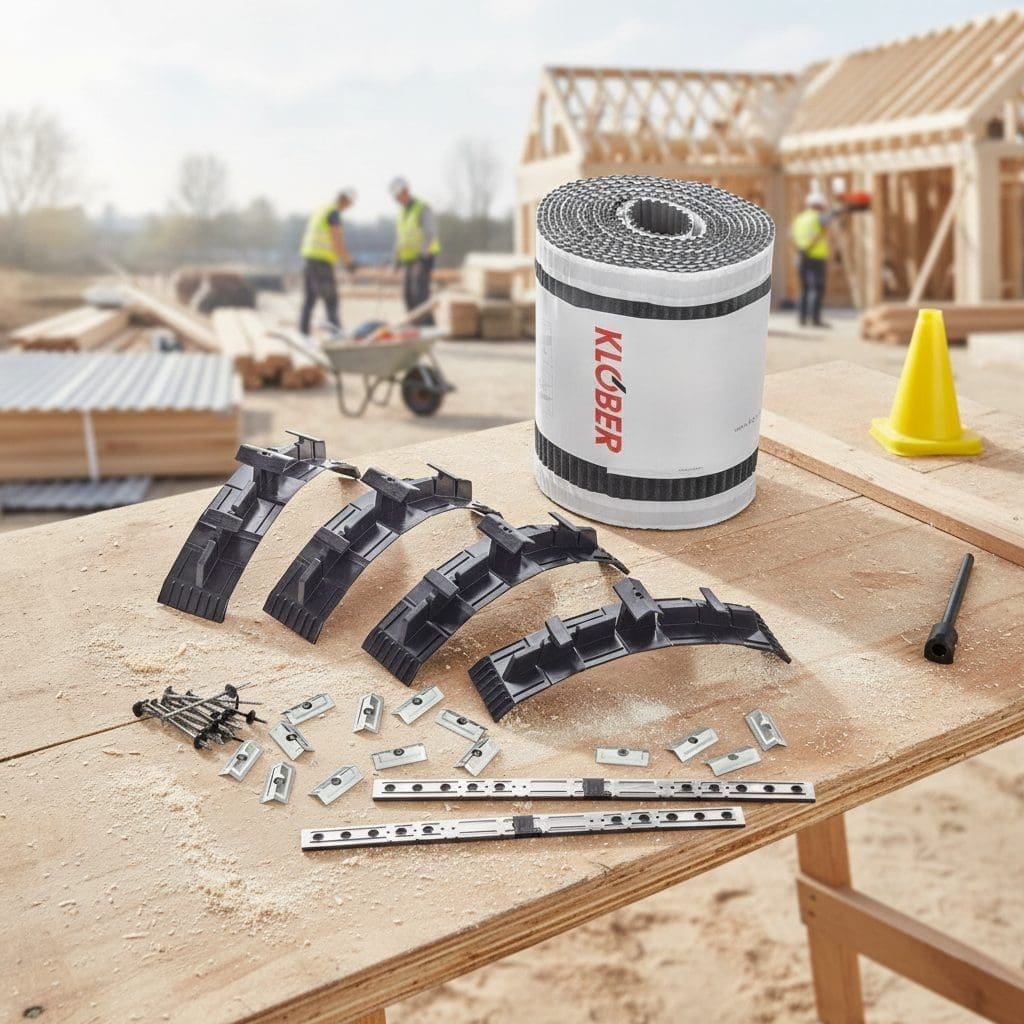
For pitched roofs, tile vents are commonly used to introduce ventilation through the roof covering whilst maintaining a neat appearance. At roof level, eaves ventilation products help fresh air enter the roof space and form part of a continuous airflow path.
To ensure airflow is not blocked by insulation, loft vent trays can be installed between the rafters to create a clear route for incoming air. In some roofing systems, ridge ventilation may also be used to allow warm, moisture-laden air to escape naturally from the highest point of the roof.
If you are looking to improve airflow within your roof space, explore our range of roof ventilation products online, with additional options available in store.
When used together, these products can help manage moisture levels, reduce the risk of condensation and support a healthier roof space.

Final Thoughts
Poor roof ventilation is easy to overlook, yet it can have a significant impact on the condition of a property. Persistent condensation, mould growth, damp insulation, excessive heat and musty odours can all be indicators that airflow within the roof space is not performing as it should.
The good news is that these problems are often easier to address when caught early. By recognising the warning signs and taking action before more serious damage develops, homeowners can help protect their roof, improve energy efficiency and maintain a healthier living environment.